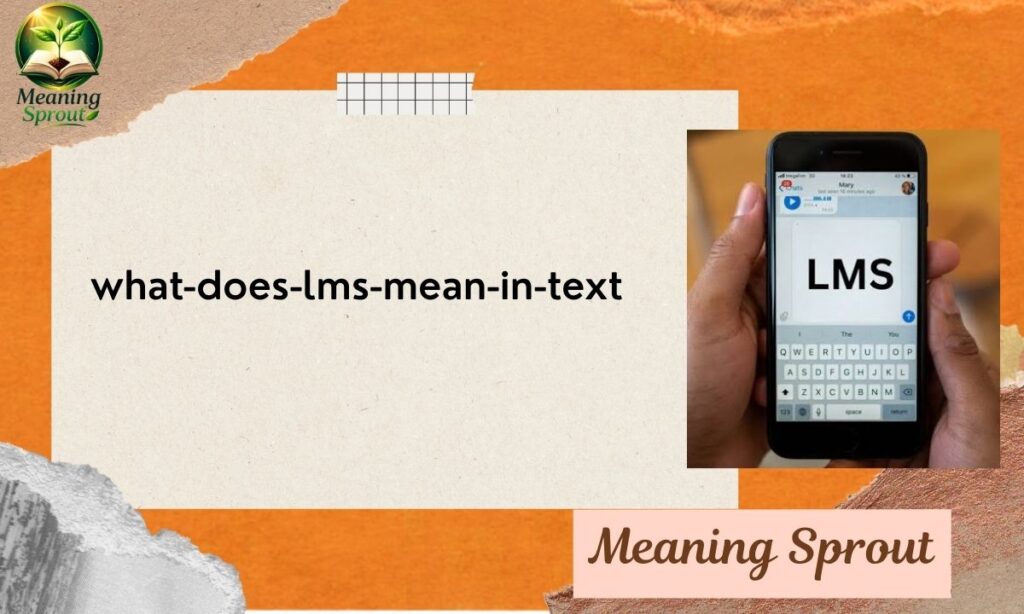
LMS is a popular internet abbreviation that people often use on social media and in text messages. Many users see LMS on Facebook, Instagram, Snapchat, and TikTok but are not always sure what it means. In most cases, LMS stands for “Like My Status.” It is used to encourage likes, engagement, and interaction on posts.
As online slang continues to evolve in 2026, LMS remains a common term among social media users. It can also have different meanings depending on the context. In this guide, you’ll learn the full LMS meaning, where it came from, how people use it, and why it is still popular today.
What Does LMS Mean?
The most common meaning of LMS is:
LMS = Like My Status
It is a request asking people to interact with a social media post by pressing the like button.
For example:
- LMS if you agree with this opinion.
- LMS for a compliment.
- LMS for a TBH.
- LMS and I’ll send you a message.
The purpose is usually to:
- Increase engagement
- Start conversations
- Gain more visibility
- Connect with friends
- Encourage participation
Simple Definition
When someone posts LMS, they are essentially saying:
“Like this post if you want to participate or show support.”
Example
Person A: LMS for a rating 😊
Person B: Likes the status
Person A: You’re a 10/10 friend!
This simple interaction explains why LMS became popular across social media platforms.
Origins of LMS in Internet Culture
LMS became popular during the early Facebook era around 2011 to 2014.
During this period, users frequently posted interactive statuses such as:
- LMS for a TBH
- LMS for a truth
- LMS for a rate
- LMS for a dare
- LMS and I’ll tell you a secret
The trend quickly spread among teenagers because it offered a fun way to interact with friends.
Why Did LMS Become Popular?
Several factors contributed to its popularity:
- Easy engagement
- Increased social interaction
- Fun online games
- Curiosity among users
- Social validation
People enjoyed receiving personalized responses after liking a status.
Early LMS Trends
Some common Facebook trends included:
| LMS Post | Meaning |
| LMS for a TBH | Like my status for an honest opinion |
| LMS for a Rate | Like my status to receive a rating |
| LMS for a Truth | Like my status to hear a truth |
| LMS for a Message | Like my status and receive a private message |
These trends helped LMS become a permanent part of internet slang culture.
Common Meanings of LMS in Different Contexts
Although “Like My Status” is the most common meaning, LMS can have several interpretations depending on context.
LMS Meanings Table
| Context | Meaning |
| Social Media | Like My Status |
| Text Messaging | Let Me See |
| Education | Learning Management System |
| Business Training | Learning Management Software |
| Online Discussions | Like My Story (less common) |
1. Like My Status
This is the most popular social media meaning.
Example:
“LMS if you’re excited for summer vacation!”
2. Let Me See
In casual texting, LMS can occasionally mean “Let Me See.”
Example:
Friend: I bought a new phone.
You: LMS 👀
3. Learning Management System
In schools and workplaces, LMS often stands for Learning Management System.
Examples include:
- Moodle
- Blackboard
- Canvas
- Google Classroom
4. Learning Management Software
Many companies use LMS platforms to manage employee training programs.
Why Context Matters
The correct meaning depends entirely on where and how LMS is used.
For instance:
- Instagram post → Like My Status
- School discussion → Learning Management System
- Text conversation → Let Me See
Always consider the context before interpreting the abbreviation.
Read This: TikTok Slang Meaning
How LMS Is Used in Texting and Social Media
LMS is commonly used to increase interaction and engagement.
Popular LMS Posts
Examples include:
- LMS if you agree.
- LMS for a shoutout.
- LMS for a compliment.
- LMS and I’ll DM you.
- LMS for a question.
LMS on Facebook
Facebook remains one of the biggest platforms where LMS originated.
Example:
“LMS if we’ve been friends for more than five years.”
LMS on Instagram
Instagram users often include LMS in captions or stories.
Example:
“LMS if you love traveling ✈️”
LMS on Snapchat
Snapchat users may post:
“LMS for a streak 🔥”
LMS on TikTok
TikTok creators use LMS to encourage engagement.
Example:
“LMS if you want Part 2!”
Benefits of Using LMS
- More likes
- Better engagement
- Increased reach
- Stronger community interaction
- More visibility on social platforms
The Emotional Psychology Behind LMS
LMS may seem like a simple request, but it reflects deeper aspects of human psychology.
Need for Connection
Humans naturally seek social interaction.
When someone posts LMS, they may be looking for:
- Friendship
- Recognition
- Validation
- Conversation
Social Validation
Likes often act as a form of approval.
People feel encouraged when others engage with their content.
Building Relationships
Interactive posts help users:
- Learn about friends
- Start conversations
- Strengthen social bonds
Curiosity Factor
Many LMS posts trigger curiosity.
Examples:
- LMS for a secret.
- LMS for an honest opinion.
- LMS and I’ll reveal something about you.
This curiosity motivates people to participate.
Why LMS Still Matters in 2026
Many social media trends disappear quickly, but LMS continues to remain relevant.
Reasons LMS Survives
1. Simple Communication
LMS is short, clear, and easy to understand.
2. Encourages Engagement
Social platforms reward engagement.
More likes often lead to:
- Higher visibility
- Better reach
- More interactions
3. Fits Modern Social Media
LMS works perfectly with:
- Facebook posts
- Instagram stories
- TikTok videos
- Snapchat updates
4. Creates Community
Interactive content helps build stronger online communities.
LMS in 2026
Examples include:
- LMS if you’re watching this in 2026.
- LMS for a personalized playlist.
- LMS if you love AI technology.
- LMS and I’ll recommend a movie.
The format may evolve, but the purpose remains the same.
LMS vs. Other Popular Slang Terms
Social media is filled with abbreviations.
Here’s how LMS compares to other popular slang terms.
| Slang | Meaning |
| LMS | Like My Status |
| TBH | To Be Honest |
| WYD | What You Doing |
| WYLL | What You Look Like |
| FYP | For You Page |
| IMO | In My Opinion |
| SMH | Shaking My Head |
| IDK | I Don’t Know |
| DM | Direct Message |
| POV | Point of View |
LMS vs TBH
LMS asks for engagement.
TBH provides an honest opinion.
Example:
“LMS for a TBH.”
LMS vs WYD
WYD starts conversations.
LMS encourages interaction with posts.
LMS vs FYP
FYP relates to TikTok’s recommendation system.
LMS focuses on engagement.
Understanding these differences helps users communicate more effectively online.
When Not to Use LMS
Although LMS is useful, it isn’t appropriate everywhere.
Avoid LMS in Professional Settings
Examples include:
- Business emails
- Corporate communication
- Job applications
- LinkedIn networking
Avoid LMS During Serious Discussions
Topics involving:
- Emergencies
- Health issues
- Legal matters
- Sensitive conversations
require clear communication.
Consider Your Audience
Older users may not understand LMS.
In such cases, writing out the full phrase may be better.
Better Alternatives
Instead of LMS, you can say:
- Like this post if you agree.
- Share your thoughts below.
- Comment if you’re interested.
- Let me know what you think.
Example Scenarios: How to Use LMS Naturally
Scenario 1: Instagram Story
Post:
“LMS if you love coffee ☕”
Purpose:
Encourage audience interaction.
Scenario 2: Facebook Post
Post:
“LMS for a TBH 😊”
Purpose:
Start conversations with friends.
Scenario 3: TikTok Video
Caption:
“LMS if you want Part 2!”
Purpose:
Boost engagement.
Scenario 4: Snapchat Story
Story:
“LMS for a streak 🔥”
Purpose:
Maintain Snapchat interactions.
Scenario 5: Group Discussion
Post:
“LMS if you support this idea.”
Purpose:
Measure agreement.
The Evolution of LMS in Digital Communication
Digital communication constantly changes. LMS has evolved alongside social media itself.
First Generation
Facebook status updates.
Second Generation
Instagram and Snapchat adoption.
Third Generation
TikTok and short-form content integration.
Modern LMS Usage
Today, LMS is often combined with:
- Polls
- Story stickers
- Questions
- Challenges
- Giveaways
This evolution keeps the acronym relevant.
Why LMS Adapted Successfully
- Easy to remember
- Works across platforms
- Encourages participation
- Supports viral content
These characteristics help LMS survive changing internet trends.
Cultural Impact of LMS on Social Media
LMS played a major role in shaping online interaction.
Encouraged User Participation
People became more active online through LMS challenges and games.
Influenced Social Trends
Many viral trends started with LMS engagement posts.
Created Digital Communities
Users connected through shared interests and interactions.
Increased User Engagement
Social media algorithms often reward engagement.
LMS helped users:
- Gain followers
- Increase likes
- Build audiences
Internet Nostalgia
Many millennials and Gen Z users associate LMS with the golden era of Facebook.
As a result, LMS remains a nostalgic part of internet culture.
How to Respond When Someone Says “LMS”
Your response depends on the situation.
If It’s a Social Media Post
Simply like the post.
If They Say LMS for a TBH
Like the status and wait for the response.
If They Mean “Let Me See”
Show the photo, video, or information they requested.
Example Responses
| Situation | Response |
| LMS for a compliment | Like the post |
| LMS if you agree | Like and comment |
| LMS for a rating | Participate by liking |
| LMS = Let Me See | Share what they requested |
Friendly Replies
- Done 😊
- Liked it!
- Waiting for my TBH 😄
- Count me in!
- I agree 🙌
These responses keep interactions fun and engaging.
The Future of LMS in Online Slang
Online language never stops evolving.
Potential Future Uses
LMS could continue expanding into:
- Creator communities
- AI-powered social platforms
- Virtual reality spaces
- Metaverse interactions
Why LMS Will Continue
The concept behind LMS remains timeless.
People will always seek:
- Attention
- Engagement
- Connection
- Community
Trends Supporting LMS
- Interactive content
- Short-form videos
- Social challenges
- Community-driven platforms
As long as engagement matters, LMS will likely remain part of internet vocabulary.
Frequently Asked Questions
What does LMS mean in text?
LMS usually means Like My Status, a request for people to like a social media post.
What does LMS mean on Snapchat?
On Snapchat, LMS generally means Like My Status or an invitation to engage with a story or post.
What does LMS for a TBH mean?
It means Like My Status for a To Be Honest, where the poster gives an honest opinion after you like the post.
Is LMS still used in 2026?
Yes, LMS remains popular on Facebook, Instagram, Snapchat, TikTok, and other social platforms.
Can LMS mean something other than Like My Status?
Yes, in educational settings it often means Learning Management System, while in some chats it can mean Let Me See.
Is LMS formal or informal?
LMS is an informal internet slang term used primarily in casual conversations and social media.
Why do people post LMS?
People use LMS to increase engagement, start conversations, gain visibility, and interact with friends.
Should I use LMS on LinkedIn?
No, LMS is generally not appropriate for professional platforms like LinkedIn.
Conclusion
LMS is one of the internet’s most recognizable abbreviations and continues to play a role in digital communication in 2026. While its primary meaning remains “Like My Status,” it can also represent other phrases depending on context.
From Facebook’s early social games to modern TikTok engagement strategies, LMS has evolved into more than just an acronym. It represents interaction, community, curiosity, and connection. Whether you’re using it to boost engagement, participate in challenges, or simply connect with friends, understanding LMS helps you communicate more effectively in today’s online world.